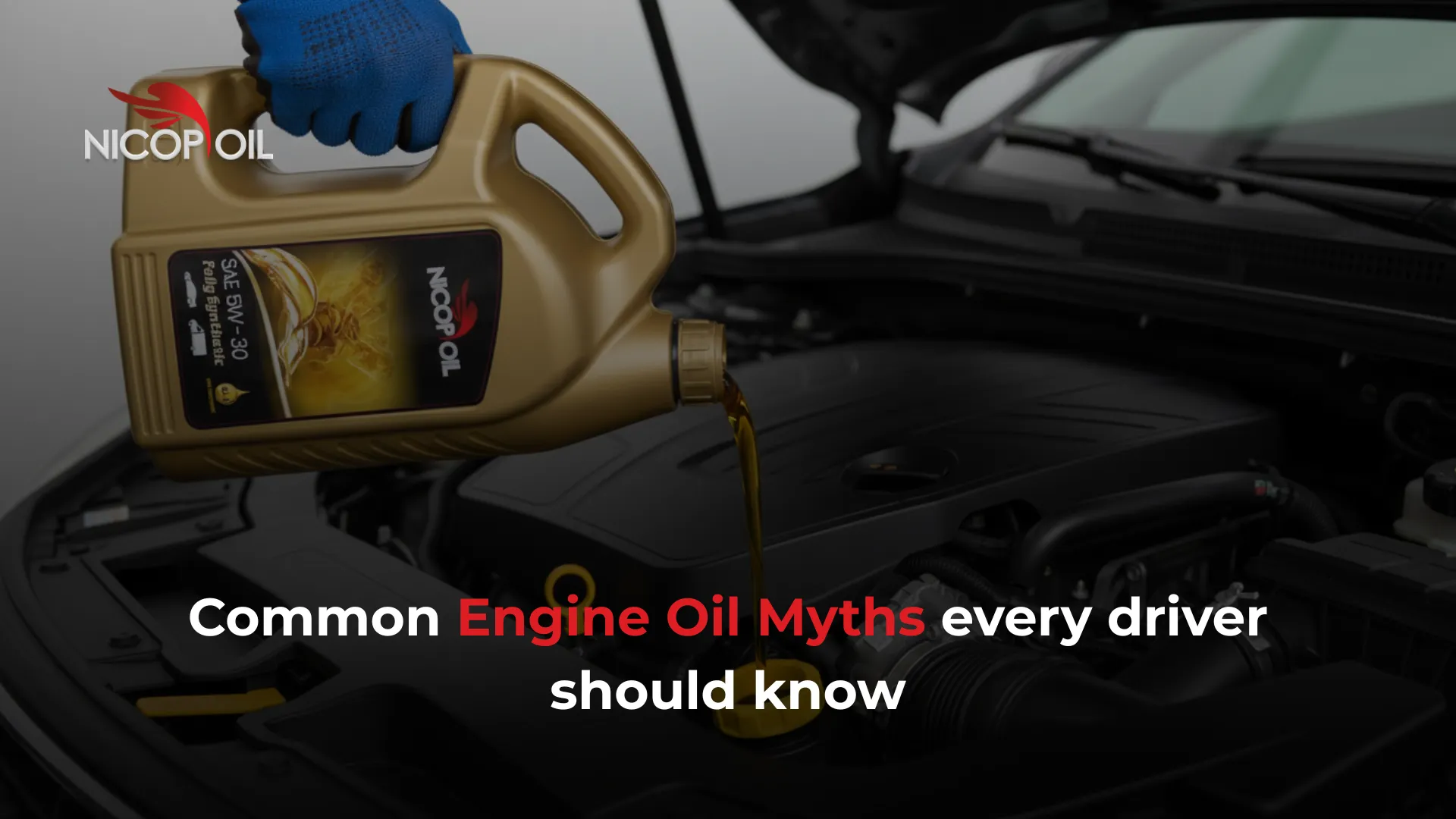
Engine oil is one of those things every driver talks about, yet very few truly understand. Whether you drive daily through crowded city streets, cruise on highways, or manage a small fleet, you’ve probably heard dozens of Engine Oil Myths, some funny, some convincing, and some so misleading that they can damage your engine.
Why Engine Oil Myths Spread So Easily
Growing up, I remember a mechanic in my neighborhood who would proudly say, “Oil is oil. Just keep it full and your engine is safe.”
At the time, everyone believed him.
But years later, we realized that many engines failed early because of the wrong oil advice. This is how most Engine Oil Myths start, word of mouth, old habits, and half-understood experiences.
Today, engines are far more advanced. They need proper lubrication, protection, heat resistance, and cleaning ability, and that happens only when you use the right engine oil.
Myth #1: All Engine Oils Are the Same
This is one of the most common Engine Oil Myths people fall for.
Engine oils differ by:
- Viscosity grade
- Additive package
- Base oil type
- Detergent levels
- Heat resistance
- OEM approvals
Using the wrong oil is like wearing slippers in the snow, your engine can run, but it won’t run well.
Reality:
Modern engines need specific oils to handle friction, heat, and deposits. Quality brands like Nicop Oil are engineered with advanced additives to enhance engine life and performance.
Myth #2: You Must Change Oil Every 3,000 km
This myth has been passed down from older generations and outdated engines.
Today’s engines + modern lubrication technology = longer intervals.
Most cars safely run:
- 7,000 km–10,000 km on mineral oil
- 10,000 km–15,000+ km on synthetic oil
Why this myth survives:
Some mechanics repeat it to increase visits.
Reality:
Follow the manufacturer’s recommendation, not old myths.
Myth #3: Thicker Oil Means Better Protection
Yet another popular entry among Engine Oil Myths.
Drivers often think thick oil is “stronger,” but that’s not how engines work.
When thick oil can harm your engine:
- Slower circulation
- Poor cold-start lubrication
- Higher engine load
- Reduced fuel efficiency
- Increased wear during winter mornings
Reality:
Your engine needs the correct viscosity, not the thickest one.
Myth #4: Synthetic Oil Damages Older Engines
This myth started decades ago when early synthetic oils had different additives.
Fast-forward to today, synthetics are safe, advanced, and highly stable.
In fact, synthetic oils:
- Reduce engine wear
- Improve cold starts
- Fight heat much better
- Keep the engine cleaner
- Extend engine life
Reality:
Using synthetic oil enhances performance, even in older engines.
Myth #5: Switching Oil Brands Is Bad
A mechanic once told my uncle, “Stick to one brand or your engine will react.”
That was another entry into the famous Engine Oil Myths list.
Reality:
Switching between brands is safe as long as you use the right grade and API/ACEA approval.
There is zero evidence that changing brands harms engines.
So switching to Nicop Oil is absolutely safe.
Myth #6: Dark Oil Means It’s Time for a Change
Many drivers believe dark oil = dirty oil.
But that’s not true.
Engine oil turns dark because it:
- Cleans deposits
- Traps carbon
- Holds contaminants
- Circulates through the combustion chamber
In fact, cleaning is its job, not a sign of failure.
How to Choose the Right Engine Oil (Step-by-Step Guide)
Choosing oil becomes simple when you follow these steps:
Step 1: Check the Engine Oil Grade
Common examples:
Use the grade recommended in your vehicle manual.
Step 2: Choose the Right Base Oil
Options:
- Mineral
- Semi-synthetic
- Fully synthetic
Fully synthetic offers the best protection, especially on hot roads and long routes.
Step 3: Look for the API or ACEA Certification
This tells you the oil meets international standards.
Nicop Oil meets global-quality specifications for advanced protection.
Step 4: Consider Driving Conditions
If you drive in:
- Hot weather
- Heavy traffic
- Long trips
- Dusty areas
Then you need stronger detergents and high heat resistance.
Step 5: Choose a Trusted Brand
A high-quality brand like Nicop Oil ensures:
- Engine cleanliness
- Long drain intervals
- Lower wear
- Better mileage
- Reliable performance
Why Drivers Trust Nicop Oil
Here’s why drivers prefer Nicop Oil:
✔ Advanced wear protection
The oil shields your engine during high-heat and high-load conditions.
✔ Premium detergent additives
Nicop Oil keeps the engine clean and reduces harmful deposits.
✔ Enhanced fuel efficiency
Less friction = smoother performance.
✔ Perfect for African, Asian & Middle Eastern roads
Designed for heat, dust, traffic, and long-distance driving.
✔ Long drain intervals
Save money with fewer oil changes.
✔ Trusted by fleets and everyday drivers
Real-world reliability makes Nicop Oil a strong competitor in global markets.
FAQs
Is synthetic engine oil bad for older cars?
No. Modern synthetic oils are safe and often better for older engines because they reduce wear, improve cleaning, and handle heat more effectively.
Does thicker oil provide better engine protection?
Not always. Using oil that’s too thick can slow circulation, cause poor cold starts, and reduce efficiency. The right viscosity grade—not the thickest one—protects your engine best.
Can switching engine oil brands harm my engine?
Switching brands is completely safe as long as the oil meets the correct grade and specification. High-quality brands like Nicop Oil work well in all compatible engines.
How do I know if I’m using the right engine oil for my car?
Check your vehicle manual for the recommended viscosity grade (like 5W30 or 10W40). Then choose a trusted brand such as Nicop Oil, which meets international standards and is designed for high-heat, dusty, and heavy-traffic conditions.
Final Thoughts
Many people unknowingly follow Engine Oil Myths, and those myths often lead to expensive repairs, weak performance, and premature engine failure.
By understanding how modern engines work, and choosing a trusted oil like Nicop Oil, drivers can protect their vehicles, save money, and enjoy smooth, confident driving.