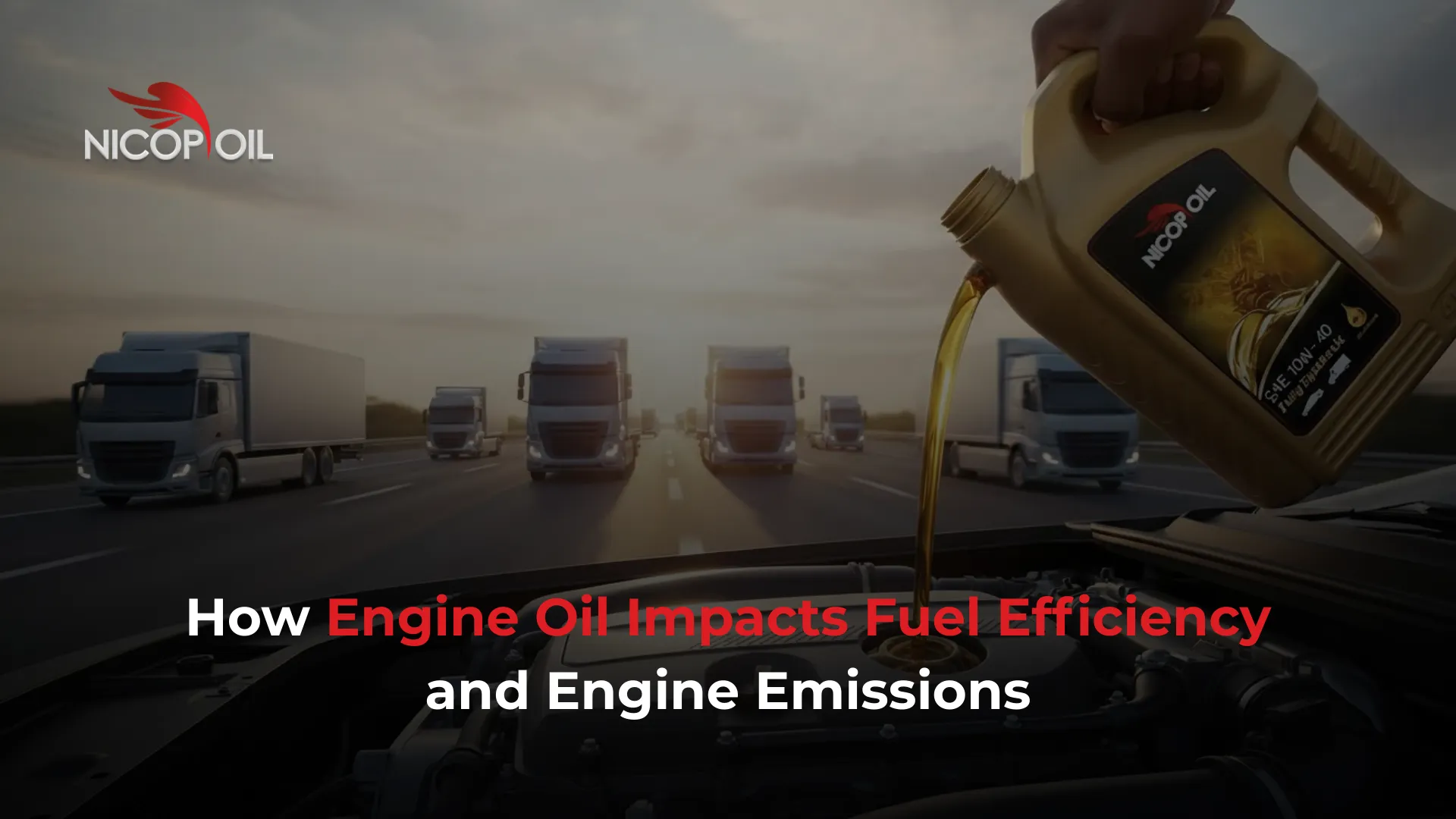
Fuel and maintenance costs are among the largest expenses for fleet operators. Even a small reduction in fuel consumption across a fleet of trucks, vans, or other commercial vehicles can lead to significant savings annually. While factors such as driver behavior, route planning, and vehicle age are often emphasized, engine oil impacts fuel efficiency more than most fleet managers realize. The right lubricant does not just protect the engine; it directly affects fuel consumption, emissions, and long-term operational costs.
Understanding how lubricants interact with engine mechanics is essential for fleet operators looking to improve efficiency, reduce downtime, and maintain compliance with emissions standards.
The Critical Role of Engine Oil in Fleet Vehicles
Engine oil serves more than a simple lubrication purpose. In commercial and heavy-duty vehicles, it:
- Reduces friction between moving engine components such as pistons, bearings, and camshafts
- Maintains optimal operating temperatures by controlling heat buildup
- Prevents sludge, carbon deposits, and contamination that can affect engine efficiency
- Provides proper sealing between pistons and cylinder walls for efficient combustion
When engine oil is of poor quality or becomes degraded, it increases internal friction and engine wear. This has a direct effect on fuel consumption and emissions. For fleet managers, the cumulative effect across multiple vehicles can result in substantial extra fuel costs and more frequent maintenance requirements. Recognizing how engine oil impacts fuel efficiency allows managers to take informed action to protect their fleet’s performance and profitability. Fleet owners looking for reliable solutions can learn more about why Nicop Oil is trusted for premium bulk engine oils to ensure consistent performance and efficiency across their vehicles.
How Engine Oil Impacts Fuel Efficiency
Friction Reduction and Energy Conversion
Internal engine friction is one of the biggest hidden contributors to fuel inefficiency. Every time a vehicle moves, energy is lost overcoming resistance between moving parts. High-quality lubricants reduce friction and allow engines to convert more fuel energy into motion. For fleet vehicles operating under heavy loads or long hours, even a slight improvement in engine oil impacts fuel efficiency translates into measurable cost savings.
Cold Starts and Urban Driving
Many fleet vehicles operate in stop-and-go traffic. During frequent cold starts, oil that is too thick or has poor flow characteristics increases engine resistance, requiring more fuel to achieve normal operation. Selecting oils with the right viscosity and low-temperature properties ensures that engines reach optimal efficiency quickly. This reduces wasted fuel and also lowers emissions during the initial running period, which is especially important for fleets operating in urban centers with strict environmental regulations.
Oil Degradation and Reduced Efficiency
Over time, engine oil breaks down due to heat, oxidation, and contamination from dust or combustion byproducts. Degraded oil loses its ability to reduce friction and maintain proper lubrication, increasing fuel consumption. Regular monitoring and maintenance of oil quality are essential for sustaining engine oil impacts fuel efficiency across a fleet.
How Lubricants Affect Engine Emissions
High-quality lubricants are vital for controlling exhaust emissions. Proper oil management can:
- Reduce carbon buildup and ensure cleaner combustion
- Minimize unburned fuel in the exhaust, decreasing hydrocarbons and particulate matter
- Protect emission control systems like catalytic converters and diesel particulate filters from premature damage
Fleet vehicles operating with low-quality or incorrect oil often produce higher levels of smoke and particulate emissions. This can affect regulatory compliance, increase maintenance costs, and reduce engine longevity.
Selecting the Right Oil for Fleet Vehicles
Choosing the correct engine oil is not only a technical decision but also a financial one for fleet managers. Factors to consider include:
- Manufacturer recommendations: Using oil that meets or exceeds OEM specifications ensures proper engine compatibility.
- Operating conditions: Fleet vehicles often endure high loads, extreme temperatures, and stop-start driving, all of which affect oil performance.
- Oil quality: Premium synthetic or semi-synthetic oils offer better thermal stability, lower friction, and longer service intervals.
- Consistency: Using the same high-quality oil across the fleet ensures predictable performance and reduces operational variability.
Implementing these practices consistently ensures that engine oil impacts fuel efficiency positively, leading to better fuel economy, lower emissions, and reduced maintenance costs. Fleet operators seeking guidance can explore how to choose the right engine oil grade for African roads to optimize performance under challenging conditions.
Practical Benefits Fleet Managers Will Notice
When fleets adopt a high-quality lubrication strategy, the benefits are tangible:
- Improved fuel economy: A well-lubricated engine runs more efficiently, reducing fuel costs over time.
- Lower emissions: Cleaner combustion helps meet environmental standards and reduces pollution.
- Extended engine life: High-quality oil reduces wear and tear on engine components.
- Reduced maintenance costs: Fewer breakdowns and reduced downtime improve operational efficiency.
Even small gains in engine oil impacts fuel efficiency across a large fleet can lead to substantial savings over the year. Premium lubricants maintain performance under heavy use, ensuring that engines operate smoothly, reliably, and efficiently.
Common Mistakes That Reduce Efficiency
Fleet managers often unintentionally reduce fuel efficiency by:
- Choosing oil that is too thick, increasing engine drag
- Using low-quality or inexpensive lubricants that fail under high stress
- Extending oil change intervals beyond recommended limits
- Not considering environmental conditions like extreme heat or dust
Avoiding these errors ensures maximum engine oil impacts fuel efficiency while extending the service life of vehicles. To stay informed, fleet managers and drivers can read more about common engine oil myths every driver should know and make smarter maintenance decisions.
Additional Considerations for Fleet Operators
- Driver training: Encourage practices that reduce unnecessary idling, which works best when paired with proper oil management.
- Oil monitoring: Routine checks for viscosity, contamination, and degradation help maintain efficiency.
- Documentation: Keeping accurate maintenance records ensures that oil changes and inspections are done on schedule, protecting both performance and warranties.
- Sustainability: Using high-quality oils reduces emissions, supporting corporate responsibility goals.
FAQs
Can switching to synthetic oils really improve long-term fleet efficiency?
Yes, switching to high-quality synthetic oils can improve both fuel efficiency and engine longevity. Synthetic oils reduce friction more effectively than conventional oils, which helps lower fuel consumption and maintain steady engine performance. Over time, the improved lubrication reduces wear on pistons, bearings, and other components, minimizing downtime and maintenance costs. Fleet managers who prioritize synthetic oils often see a measurable improvement in how engine oil impacts fuel efficiency, particularly in heavy-duty trucks and high-mileage commercial vehicles.
How do different types of lubricants impact engine performance in heavy-duty trucks?
Mineral, semi-synthetic, and fully synthetic oils differ in their ability to reduce friction, resist degradation, and handle high temperatures. Mineral oils provide basic protection but may degrade faster under stress, while semi-synthetic oils offer better performance and longer service intervals. Fully synthetic oils provide superior flow characteristics, thermal stability, and additive packages that optimize combustion and reduce emissions. Understanding these differences helps fleet owners select lubricants that maximize engine oil impacts fuel efficiency and maintain reliable fleet vehicle performance over long operational cycles.
What are the risks of using recycled or low-quality engine oils in fleet vehicles?
Using recycled or low-quality engine oils may seem cost-effective initially but can lead to higher long-term expenses. Poor-quality lubricants often break down faster, lose viscosity, and fail to reduce friction effectively. This increases fuel consumption, accelerates engine wear, and may damage emission control systems. For commercial fleets, such choices can significantly undermine how engine oil impacts fuel efficiency, leading to unexpected repairs, more frequent oil changes, and reduced overall vehicle reliability.
How can monitoring engine oil condition help reduce unexpected maintenance costs?
Regular monitoring of oil condition allows fleet managers to detect contamination, viscosity changes, or additive depletion before they cause serious engine problems. By maintaining proper oil quality, operators ensure that engine oil impacts fuel efficiency consistently, supporting better fuel economy and longer engine life. Monitoring also helps prevent breakdowns that result from sludge buildup or degraded lubricants, reducing maintenance costs and improving the overall reliability of fleet vehicles.
Conclusion
For fleet operators, engine oil impacts fuel efficiency in ways that directly affect operating costs, emissions compliance, and engine longevity. By selecting high-quality lubricants, adhering to manufacturer recommendations, and maintaining regular oil change schedules, fleet managers can achieve measurable improvements in fuel economy and reduce maintenance costs.
High-performance engine oils improve combustion efficiency, protect emission systems, and reduce friction-related fuel loss, ensuring that commercial vehicles operate reliably and economically. For B2B decision-makers managing fleets, prioritizing the right engine oil strategy is a simple yet highly effective way to boost efficiency, cut costs, and maintain regulatory compliance over the long term.