Introduction
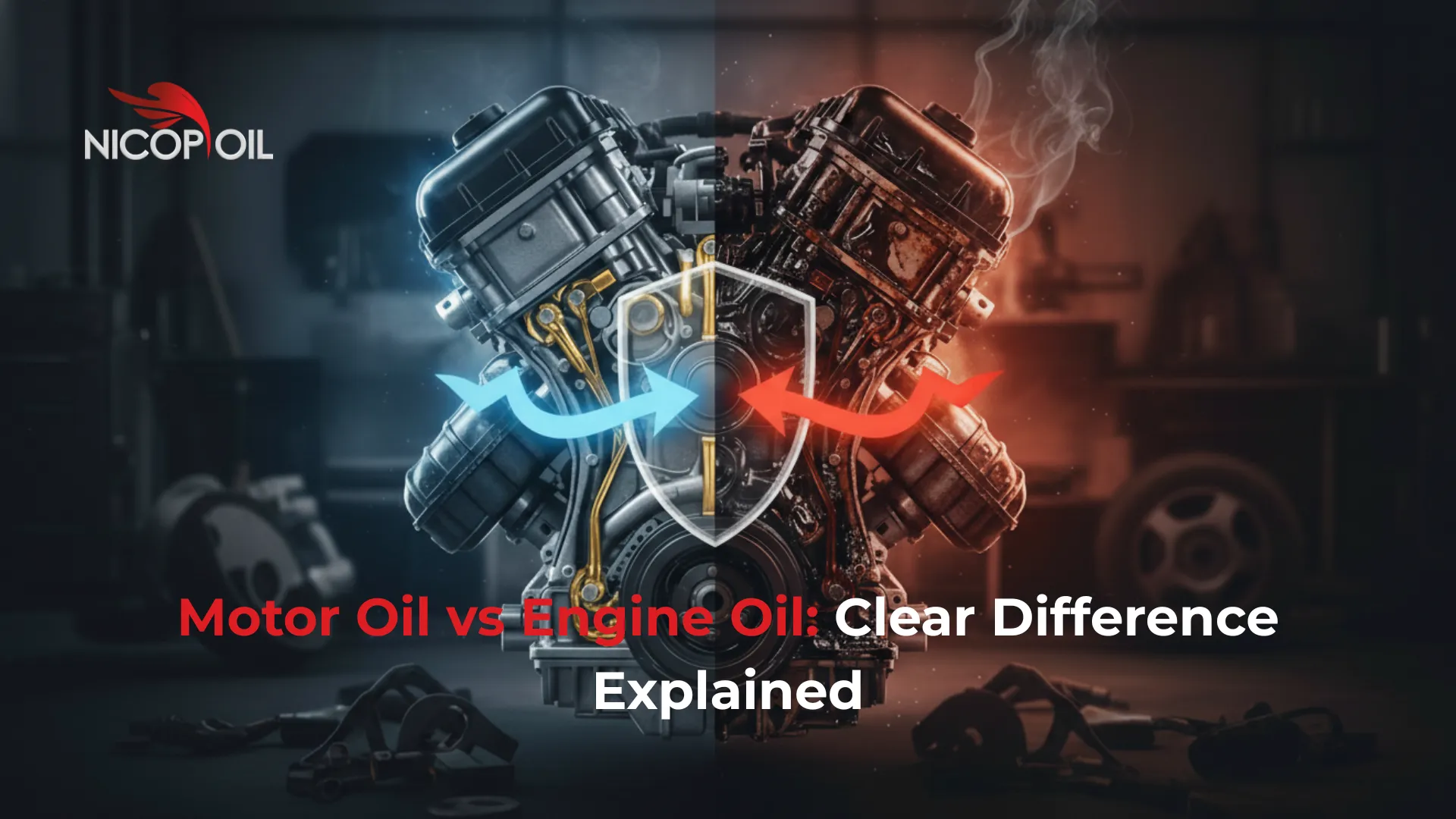
Understanding Motor Oil vs Engine Oil is essential for every car owner. Many drivers are unsure whether these terms are the same, which oil grade to use, and the consequences of using the wrong oil. This guide explains everything in simple language, with step-by-step instructions, real-life examples, pro tips, and recommendations to help you make confident decisions for your car.
Pro Tip: Using the correct oil grade saves fuel, reduces engine wear, and extends engine life.
What is Motor Oil?
Motor oil is a lubricant that keeps engines running smoothly. Its primary functions include:
- Lubrication: Reduces friction between moving engine parts
- Cooling: Absorbs and dissipates heat
- Cleaning: Removes sludge and debris
- Protection: Prevents rust and corrosion
Step-by-Step Usage Guide:
- Check your car manual for the recommended oil type.
- Inspect the current oil level and color.
- Add or replace oil as needed.
- Monitor engine performance regularly.
Anecdote: A driver added generic oil instead of recommended grade. Within 10,000 km, engine sludge developed. Switching to Nicop Oil restored smooth performance.
What is Engine Oil?
Engine oil is essentially the same as motor oil. Both terms are often used interchangeably, but what matters is its function:
- Lubricates moving parts
- Cleans engine internally
- Reduces wear and tear
- Improves fuel efficiency
Key Notes:
- Is engine oil and motor oil the same? Yes.
- Is adding engine oil the same as an oil change? No. Topping up adds oil; an oil change replaces it completely.
- Do cars have both motor and engine? Technically, cars have an engine; “motor” is just another term.
Motor Oil vs Engine Oil: Key Differences
| Feature | Motor Oil | Engine Oil | Notes |
|---|---|---|---|
| Term Usage | Informal | Official | Both refer to same lubricant |
| Functions | Lubrication, cooling, cleaning | Same | – |
| Grades | 5W30, 5W40, 10W40 etc. | Same | Check manufacturer manual |
Pro Tip: Always follow your vehicle manual to avoid engine damage.
Oil Viscosity & Grades (5W30, 5W40, etc.)
Choosing the correct oil grade is essential.
| Grade | Best For | Fuel Efficiency | Temperature Performance | Can You Top-Up? |
|---|---|---|---|---|
| 5W30 | Most cars | High | Cold & moderate | Stick to same grade |
| 5W40 | Hot climates | Moderate | Hot weather | Only if manual allows |
| 5W20 | Older engines | High | Cold weather | Follow manual |
Scenario Example:
Using 5W40 instead of 5W30 in a VW may work temporarily but can reduce fuel efficiency and long-term engine performance.
Pro Tip: Always monitor your oil level and grade for maximum engine life.
Step-by-Step Guide: How to Check and Top-Up Engine Oil
Step 1.
Park your car on a level surface and turn off the engine.
Step 2.
Open the hood and locate the oil dipstick.
Step 3.
Pull out the dipstick, wipe it clean, and reinsert it fully.
Step 4.
Pull it out again to check the oil level; it should be between the minimum and maximum marks.
Step 5.
If oil is low, add the recommended grade slowly.
Step 6.
Recheck the level and close the dipstick securely.
Pro Tip: Always use Nicop Oil or another premium brand to ensure engine protection.
Choosing the Right Oil for Your Car
- Read the vehicle manual carefully for recommended oil grade.
- Inspect oil regularly for color and viscosity.
- Top up or replace using manufacturer-approved oil.
- Consider premium-grade oil like Nicop Oil for better protection.
Anecdote: A fleet manager switched to Nicop Oil and noticed smoother engine performance and fewer maintenance issues within 3 months.
Engine Oil Quantity & Pricing
| Engine Size | Typical Oil Capacity | Recommended Brand |
|---|---|---|
| 1.0–2.0L | 3–4L | Nicop Oil |
| 2.0–3.5L | 4–5L | Nicop Oil |
| 5.0L+ | 5–6L | Nicop Oil |
Pricing Examples:
- Nicop Oil 5L: Competitive market price (varies by region)
- 1L lasts ~5000–10000 km depending on driving style
Pro Tip: Invest in premium-grade oil for durability, performance, and fuel efficiency.
Anecdotes
- Scenario 1: Mixing 5W30 and 5W40 caused minor fuel efficiency loss but no engine damage. Lesson: always stick to the recommended grade.
- Scenario 2: Using low-quality generic oil led to sludge buildup. Switching to Nicop Oil improved engine smoothness.
- Scenario 3: During summer, a driver used high-quality 5W40 and avoided engine overheating, highlighting the importance of grade selection.
Additional Tips for Engine Maintenance
- Always check oil level before long trips.
- Replace the oil filter with every oil change.
- Avoid mixing different oil brands unnecessarily.
- Keep a log of oil changes for maintenance records.
- Inspect for leaks or discoloration regularly.
Pro Tip: Consistent use of Nicop Oil can reduce engine wear and improve mileage over time.
Expanded Comparison: Motor Oil vs Engine Oil & Grades
| Aspect | 5W30 | 5W40 | 5W20 | Notes |
|---|---|---|---|---|
| Best Use | Most cars | Hot climates | Older engines | Follow manufacturer guide |
| Fuel Efficiency | High | Moderate | High | 5W30 usually best for modern engines |
| Cold Weather | Excellent | Moderate | Excellent | 5W40 less ideal in freezing temperatures |
| Hot Weather | Moderate | Excellent | Moderate | 5W40 shines in summer |
| Cost | Moderate | Slightly higher | Moderate | Premium oil worth the investment |
Key Takeaways
- Motor Oil vs Engine Oil: Functionally same, minor term differences.
- Oil Grades Matter: 5W30 vs 5W40 choice affects performance & fuel efficiency.
- Premium Oil: Nicop Oil ensures engine longevity.
- Step-by-Step Tips: Easy checking, topping-up, and replacing oil.
- Actionable Advice: Avoid wrong grades, follow manual, and use high-quality brands.
FAQs
How much does 1 litre of engine oil last?
Depending on driving conditions and engine type, 1 litre of oil can last between 5000–10,000 km.
Is adding engine oil the same as an oil change?
No. Topping up adds oil to reach the proper level, while an oil change replaces the old oil completely.
Which is better, a motor or an engine?
In cars, the term “engine” is more accurate. “Motor” can refer to electric or generic engines, but functionally they serve the same purpose.
Can you use any motor oil for your car?
No. Always use the oil grade recommended in your vehicle manual to prevent engine damage and maintain efficiency.
Conclusion
Understanding Motor Oil vs Engine Oil ensures optimal engine performance, fuel efficiency, and longevity.
Action Steps:
- Always check your vehicle manual for the recommended oil grade.
- Monitor engine oil level and quality regularly.
- Use premium oil like Nicop Oil for reliable performance and peace of mind.
Keep your engine healthy, drive confidently, and enjoy smoother rides with the right oil choice.